
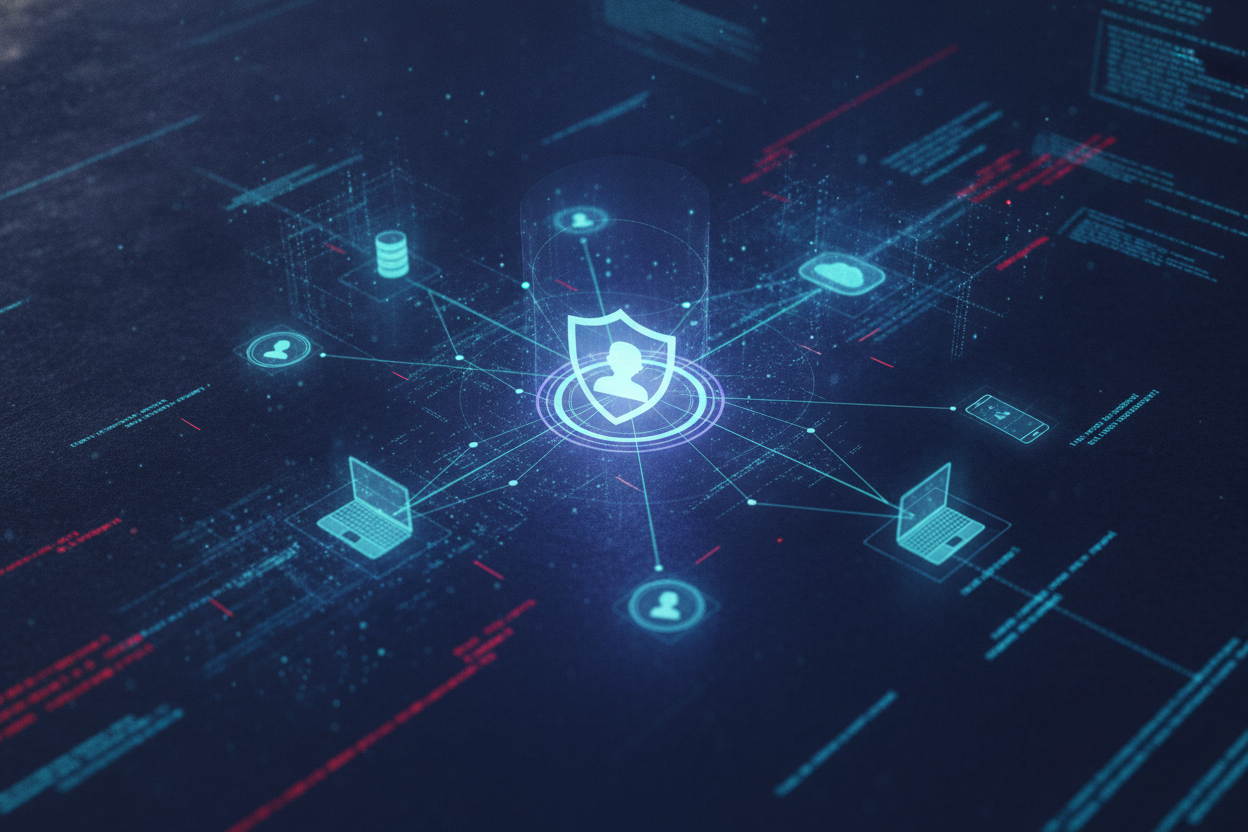
Modern security increasingly starts with identity. Devices matter, networks matter, and applications matter, but identity is often the thread connecting them all. If an attacker gains valid credentials, many traditional defenses become much less effective. That is why a practical security program pays close attention to authentication, authorization, and the lifecycle of every account.
Identity-first thinking begins with visibility. Which accounts are human, which are service accounts, which are privileged, and which no longer have a real owner? Those are not abstract questions. They shape everything from access reviews to incident response. When identity data is clean, security teams can spot unusual activity faster and operations teams can support users more efficiently.
Least privilege is the other major principle worth revisiting. It sounds simple, but in real environments permissions tend to accumulate over time. People change roles, projects end, emergency access gets granted, and nobody circles back. A regular review cycle helps keep access aligned with actual need instead of historical convenience. That is not just safer; it is easier to reason about when something goes wrong.
Identity-first security also improves the conversation with leadership. It provides a clear way to explain risk without diving immediately into technical noise. Strong identity controls reduce the chance of unauthorized access, limit damage if an account is compromised, and improve accountability across the environment. In other words, it is one of the few places where doing the boring thing well delivers very interesting results.
Leave a Reply